
Quarterly report · Pursat Province, Cambodia
CLIP2 quarterly report: April to June 2022
The second workshop, first classroom decoration assessment and a new printer for a community preschool in our Pursat teacher project, April to June 2022.
- 480preschool children in 10 target schools
- 19teachers who took the 2nd workshop
- 8schools that received a laminator
- 98,193YouTube views across all videos
Project Overview
There are 3 main objectives of this project:
- to create/prepare/distribute teacher resources for preschool teachers.
- to install technical equipment (Access Boxes) in schools to store teacher resources for preschools; and
- to train teachers on the use of the Access Boxes as well as how to upload and download resources.
There are two main beneficiary types:
- the preschool teachers; and
- the preschool students.
Background: This project will take place in the Pursat Province of Cambodia. It will be providing Early Childhood Education (preschool) support to rural schools in the Pursat area. Cambodia is still catching up after the total dissemination of its education system during the Civil War (Khmer Rouge). Recently the government has legislated that Early Childhood Education (preschool) be compulsory. There are not enough resources for teachers and many are struggling with what to do with so many children in their classrooms.
Rermork for Children (in conjunction with TukTuk Charity) has been creating resources for preschools and has been successful at delivering resources via their digital library which is available on the internet and the "Access Box" (computer device that acts as a WIFI so teachers download resources without being connected to the internet) and training teachers how to access, upload and download resources.
Participants
Provincial Office of Education (POE)
5 officers
- Director
- Department of early childhood education
- Department of primary education
- Department of education audit
- Department of plan
District Office of Education (DOE)
8 officers (the director and the director of dept. early childhood education of each district)
- Pursat city
- Kandieng district
- Bakan district
- Krakor district
Target Schools
10 principals and 14 preschool teachers (2 principals are counted as a preschool teacher too)
| No. | District | School Name | No. of Target Teachers (Number of Females) | Number of Class | Age group | Number of Students (Number of girls) | Remarks |
|---|---|---|---|---|---|---|---|
| 1 | Pursat | State school | 2 (2) | 2 | 3 years old | 30 (16) | Independent school*1 |
| 5 years old | 25 (12) | ||||||
| 2 | Prey Ny school | 1 (1) | 1 | 3 years old | 4 (2) | ||
| 4 years old | 13 (7) | ||||||
| 5 years old | 21 (11) | ||||||
| 3 | Lolok So school | 1 (1) | 1 | 4 years old | 20 (15) | ||
| 4 | Kandieng | Kandieng school | 4 (3) * One is principal | 3 | 3 years old | 26 (18) | Independent school |
| 4 years old | 30 (11) | ||||||
| 5 years old | 40 (15) | ||||||
| 5 | Bong Chhuk school | 1 (1) | 1 | 3 years old | 3 (2) | ||
| 4 years old | 7 (5) | ||||||
| 5 years old | 24 (10) | ||||||
| 6 | Kaev Chey school | 1 (1) | 1 | 5 years old | 26 (15) | ||
| 7 | Bakan | Snam Preah school | 1 (1) | 1 | 5 years old | 44 (20) | |
| 6 years old | 1 (0) | ||||||
| 8 | Phnow school | 1 (1) | 1 | 3 years old | 1 (1) | Community school*2 | |
| 4 years old | 2 (2) | ||||||
| 5 years old | 6 (3) | ||||||
| 6 years old | 20 (13) | ||||||
| 9 | Tram Pair school | 1 (1) | 1 | 3 years old | 7 (5) | Community school | |
| 4 years old | 18 (10) | ||||||
| 5 years old | 10 (5) | ||||||
| 10 | Krakor | Onlong Tnaot school | 1 (1) *She is principal | 1 | 4 years old | 50 (23) | Independent school |
| 5 years old | 52 (25) | ||||||
| Total: 10 schools | 14 (13) teachers | 13 classes | 480 (246) | ||||
*1 The school that was independent of the primary school.
*2 Managed by the commune and the schools were built by the Rotary Club of Pursat.
Project Implementation
| Project | Duration | Status | Start date | Completion date |
|---|---|---|---|---|
| Provide hardware | ||||
| Laminator | 1 day | Completed | 21/05/2022 | 26/05/2022 |
| Conduct 7 times workshop | ||||
| 2nd workshop | 1 day | Completed | 26/05/2022 | 26/05/2022 |
| Conduct 7 times follow-up visits | ||||
| 2nd follow-up visit | 10 days | Completed | 13/06/2022 | 28/06/2022 |
| Conduct 2 times classroom assessment | ||||
| 1st classroom assessment | 10 days | Completed | 13/06/2022 | 28/06/2022 |
Detailed Activity Report
Training teachers how to access and use the resources
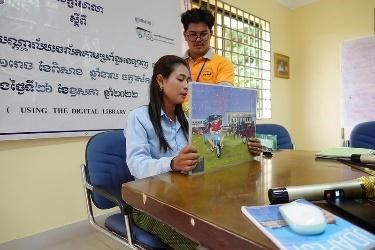
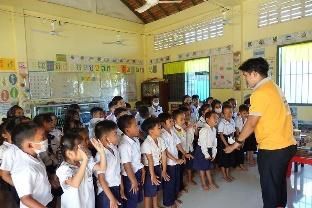
The purpose of the 2nd workshop is to introduce the resource packages ‘Who Painted The Sky?’ and ‘Teeny Tiny Monsters’. The 14 teachers, the director of the dept. early childhood education of POE/DOE and members of the Rotary Club of Pursat (RCP) participated.
Represented teachers demonstrated storytelling with Kamishibai, dancing with music, activity games, and printable games as a teacher. Also, all participants made daily lesson schedules by using our teaching resources.
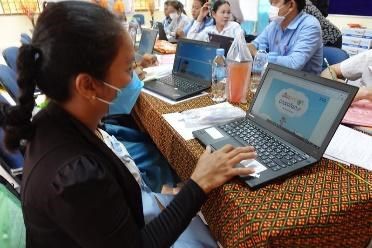
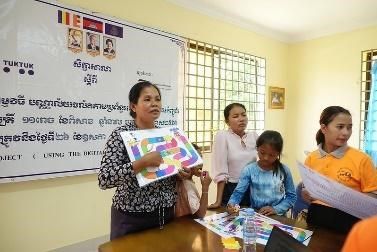
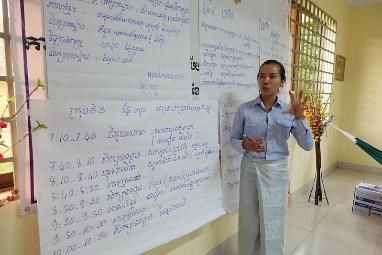
Although the teachers could share their teaching ideas and were more active than the 1st workshop, in the post-workshop survey, we discovered that the music sections were a little fast for teachers to remember the dance moves, and explaining how to read books in the storytelling section was difficult to understand for the participants. In the next workshop in July, we will provide storytelling training from a Norwegian specialist with 25yrs experience in preschool education. To help the teachers with the dance moves, we have shared the music videos with the teachers so that they can practice at home. They will also have access to the workshop videos in the future.
In addition, we could receive requests for new teaching resources from the teachers. We have been getting ideas for worksheets since last year but requests for creating more activities were increased in this workshop. We are currently using this feedback to generate new ideas for upcoming activity creation.
Assess the teachers to choose a model teacher with DoE
We planned to conduct this school assessment next year, however, we implemented it early to prepare the classroom decorations by the 4th workshop in September.
The purpose of this assessment is to clarify the status of classroom decoration in the target classrooms and then reflect the result to create appropriate resources. We are aiming to improve the classroom decorations in all target schools before the 2nd assessment scheduled for the end of 2023. Thus, we created an assessment sheet, incorporating relevant points of the indicators that the Ministry of education set.
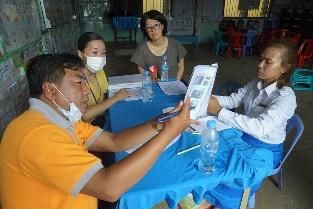
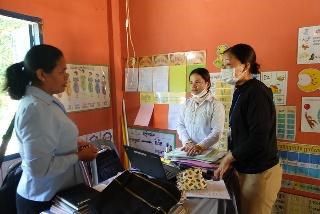
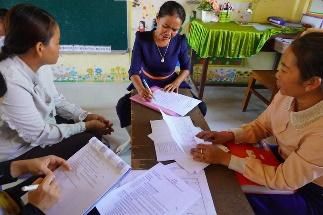
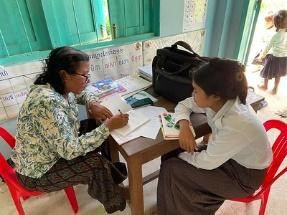
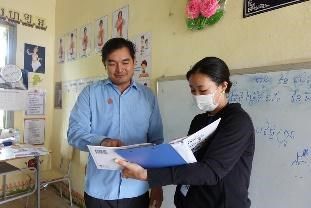
As of now, the teachers have a textbook for classroom decoration and the assessment but the teachers who work in preschool classes in primary school and community schools aren’t familiar with the indicators when compared with the teachers in independent preschools. Moreover, the assessment has to be implemented once a year by the educational officer, but POE and DOE staff ask the teachers to evaluate their classrooms by themselves resulting in inaccurate or even missing evaluations. By working directly with the teachers with the 1st assessment we’re able to share the Ministry’s assessment with the target teachers.
In terms of classroom decorations, the Ministry of Education defines standards. For example, they require to divide five corners to put or display teaching materials according to subjects such as below (Table 1). Also, they set standards for displaying all sides of a classroom (Table 2).
| Corner | Required teaching materials or ornaments |
|---|---|
| 1. Science | fish tank, plants, materials for teaching science |
| 2. Hygiene | hair combs, mirrors, hand towels, water bottles, water filters, trays, cups for drinking water (depending on the number of children, preferably), soap |
| 3. Study | materials for drawing and construction activities, children's works, storybooks |
| 4. Game | dominoes, jigsaw puzzles, bingo games, dice, toys for children to play individually or in groups |
| 5. Art | For music: simple musical instruments such as coconut shells, wood, chopsticks, drums, cans, etc. For exercise: tires, plastic bags, balls, sticks, rubber, jumping ropes, coconuts, tying ropes or palm nuts, etc. |
| Place | Required teaching materials or ornaments |
|---|---|
| Front |
|
| Back |
|
| Above |
|
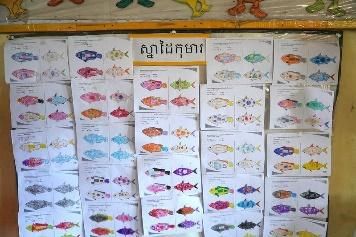
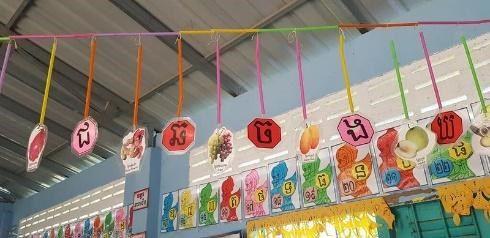
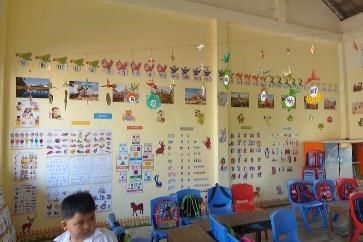
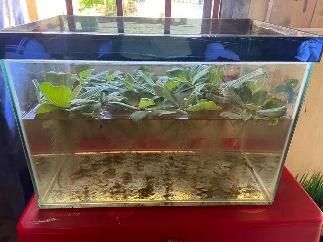
By looking at the result of the assessment, 6 of 12 classrooms got a point for the classroom decoration but it was only one classroom met all small indicators (State school). Teachers said they know their classrooms don’t have sufficient decorations yet but don’t have enough budget to prepare for it. The Ministry’s standards require some physical objects, for example, a fishtank or toothbrush, but DOE has clarified to teachers that they can use pictures instead if they don’t have all the required objects. Accepting this situation, we will create resources such as pictures and posters by following the standards and requests from the POE, DOE and teachers. In the next quarter, we plan to have a workshop on classroom decorations and explain each indicator of the assessment, in addition, make the participants create the required decorations by themselves.
Hardware purchases
We supplied 8 laminators to the target schools. Previously, we planned to give them in the 4th quarter but one activity, introduced in the 2nd workshop, required a laminator.
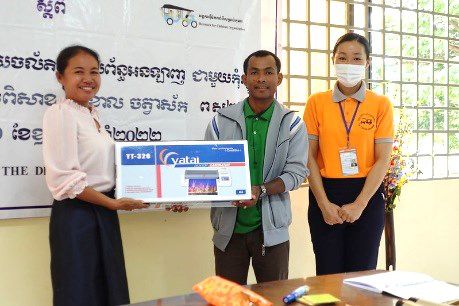
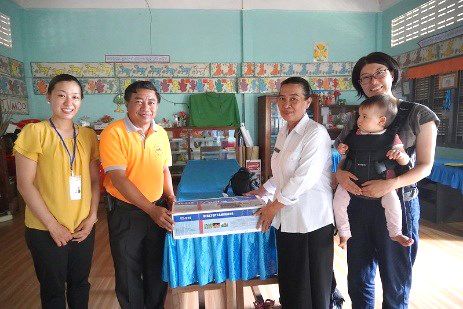
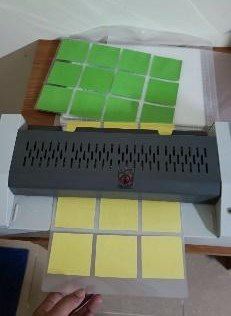
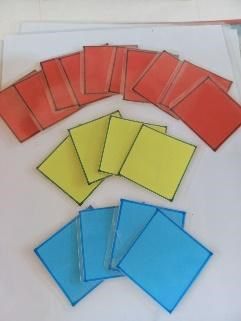
Regarding the items we have not supplied yet, the tablets will be provided in the next quarter and the laminate sheets in the 4th workshop planned this September.
Project field visits
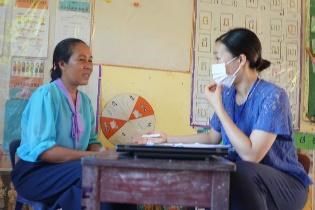
We visited the 10 schools to interview the teachers about the intended and frequent use of computers and the Digital Library folder after the 2nd workshop.
All teachers commented that they use the Digital Library folder on their computer for playing animations and songs and some teachers use worksheets as well. We understood those resources are easy to use but would like to promote that they can use activities and printable games or other resources such as illustration bank, puppet show, art and craft ideas too. However, this point would be solved by launching the Digital Library website because users can research resources they want to get by subjects, theme, keywords and resource types.
It’s now 6 months since the teachers received the computers and they seem to be getting used to using them well and increasing requests that ask R4C staff to teach how to make tables and edit worksheets.
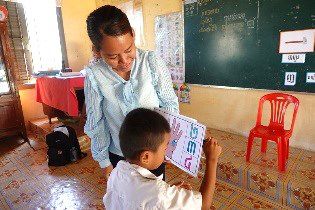
Visiting their classrooms and looking at their lesson plans, monthly and weekly lesson plans, we could see they take our resources, especially worksheets, into their lessons. Also, students remembered some of the original songs we introduced in the 2nd workshop and could dance as well. Moreover, one teacher told us that her students like ‘Jack the Giant’ very much and they ask the teacher to show the story many times. Then she said students talked that when their friends did some bad manners things, they were talking ‘A demon would eat you if you do like that.’ Those small stories inspire us to work harder.
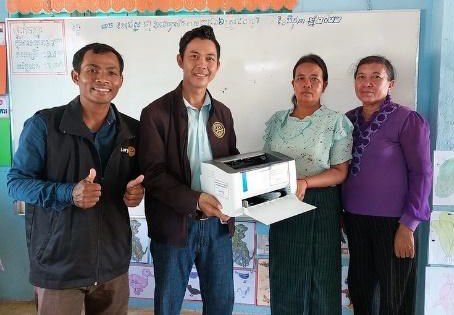
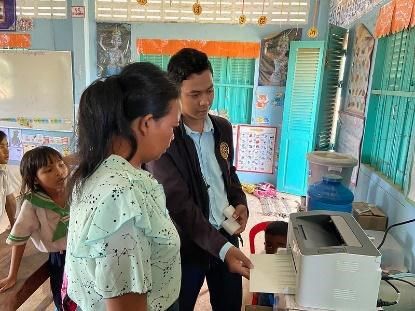
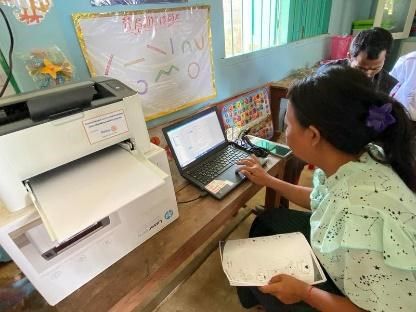
In the 1st quarterly report, we mentioned that the principal of Tram Pair school keeps the printer at his house and the preschool teacher was unable to print worksheets easily. We discussed it with RCP but they decided to purchase a printer for the preschool class from their budget and the teacher received it in June. Thanks to that, she can print worksheets anytime and without difficulty.
Other activities
Resource package creation
We will create 4 new resource packages during the two years of the project with 2 packages scheduled for completion in the first year. In this quarter, we have been working on the first storybook named ‘Being Good’.
| Category | Resources will be published | Status | Due date | Remarks |
|---|---|---|---|---|
| Book7. ‘Being Good’ (New resource package) | ||||
| Book | Kamishibai (Front/Back) | Completed | By March | |
| Printable version (Black and white) | Completed | By March | ||
| Printable version (Color) | Completed | By March | ||
| Digital version | Completed | By March | ||
| Animation | Completed | By June | ||
| Song | 2 songs | Completed | By June | |
| Activity | 8 activities | Completed | By May | |
| Printable game | 2 board games | Completed | By May | |
| Worksheet | 9 worksheets | Completed | By June | |
| Ornaments for classroom decoration (New resource package) | ||||
| Ornaments | In progress | By September | Requests are being compiled | |
| Book8. ‘I Can Do The Same, But Differently’ (New resource package) | ||||
| Book | In progress | By April (2023) | The draft of the story is ready | |
| Book9. ‘Family Tree’ (New resource package) | ||||
| Book | In progress | By July (2023) | The draft of the story is ready | |
Information dissemination via social media
We run three open social media (Facebook, Telegram and YouTube) to share the teaching resources for preschool teachers and parents.
- Those posts include daily activity reports, animations, songs, activities, worksheets, and workshop videos.
| Quarter | Posts | Reach* | New followers | Total Follows |
|---|---|---|---|---|
| Q1 | 20 | 21,556 | 453 | 2,699 |
| Q2 | 28 | 14,204 | 138 | 2,837 |
*Reach…The number of people who saw any content from the Page or about our Page, including posts, stories, ads, social information from people who interact with our Page and more. Reach is different from impressions, which may include multiple views of the posts by the same people. This metric is estimated.
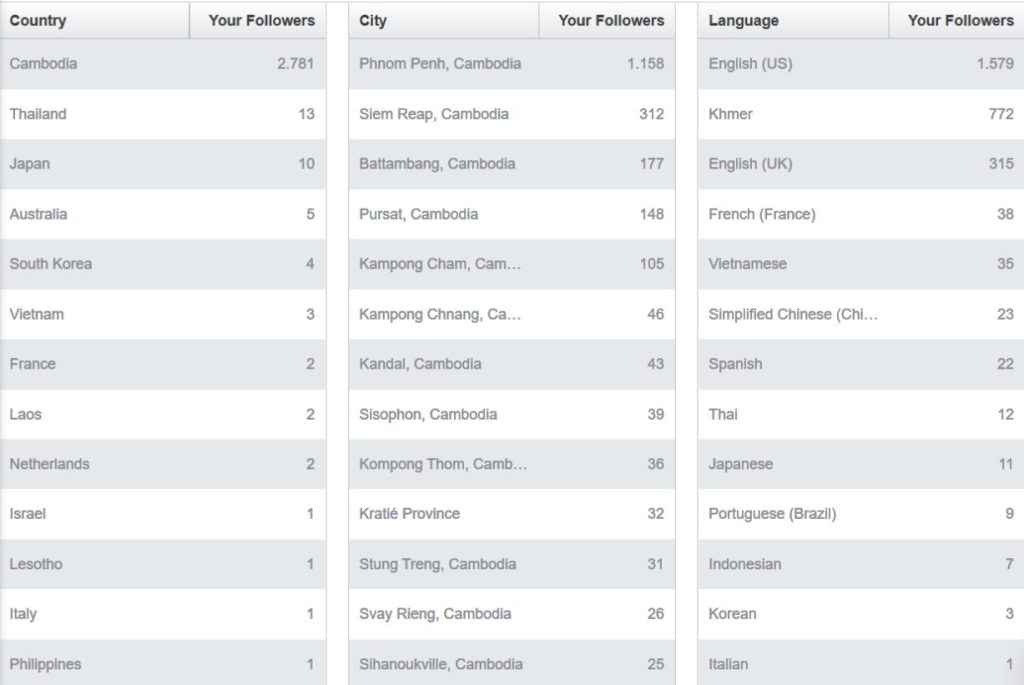
- Followers information
| Quarter | R4C Posts | Community Posts | New Members | Total Members |
|---|---|---|---|---|
| Q1 | 22 | 45 | 215 | 1,030 |
| Q2 | 21 | 34 | 101 | 1,131 |
- Followers information
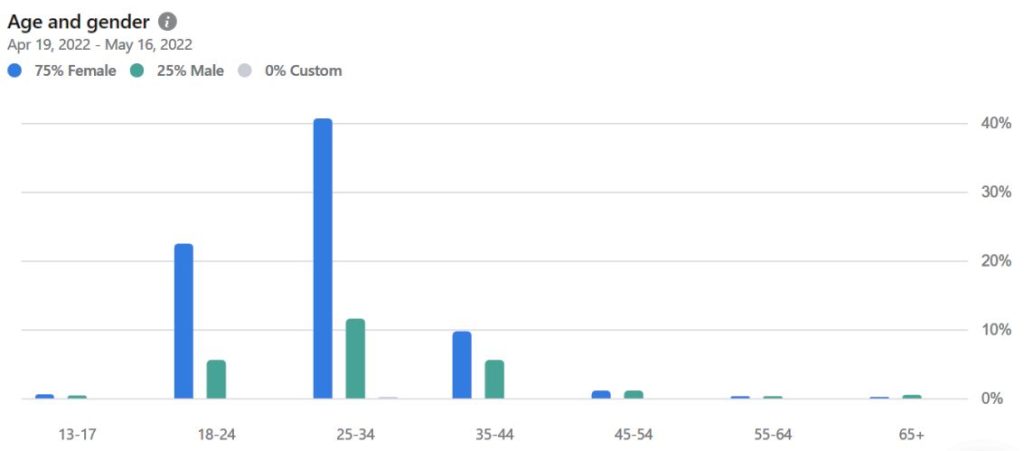
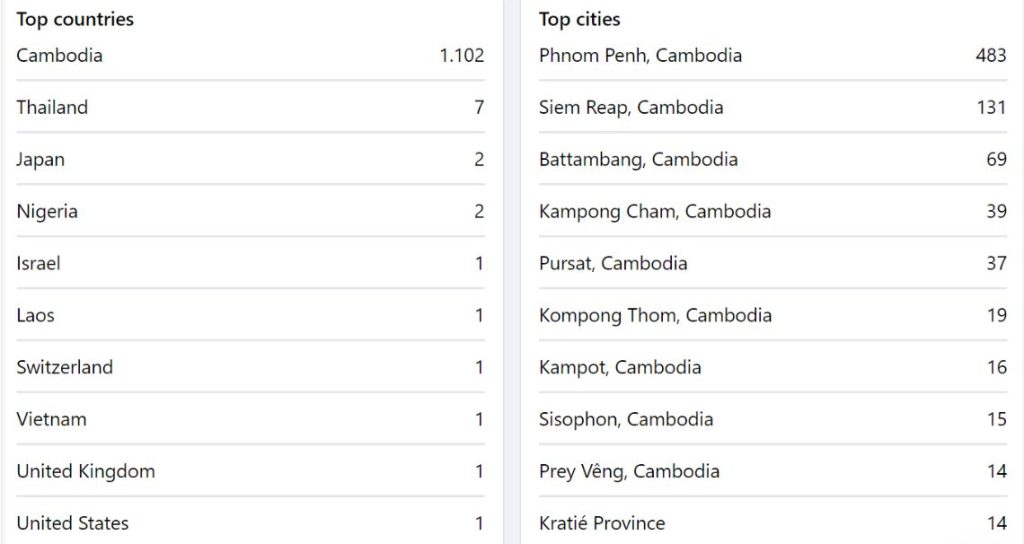
Telegram (messaging app)
- In February, we created a public channel for not only target teachers but also other Cambodian teachers and parents can join was created. You can see the R4C’s teaching resources such as storybooks, music, worksheet, etc. in it daily. And other information related to education for preschool children is posted. As of June, 96 members have joined and the number has increased by 40 since March.
- The video that has the most top views exceeded more than 9,800 views.
| Quarter | Published Videos | New Subscribers | Total Subscribers | Total Views (all videos) |
|---|---|---|---|---|
| Q1 | 32 | 250 | 355 | 39,328 |
| Q2 | 36 | 503 | 858 | 98,193 |
- Followers information
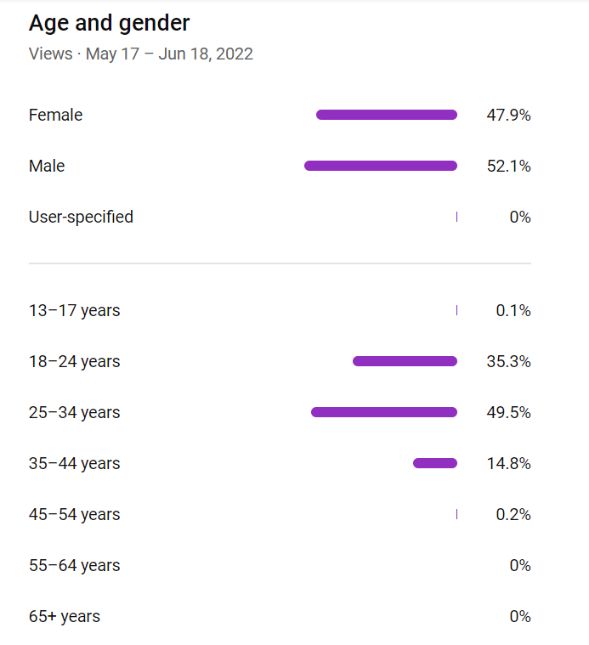
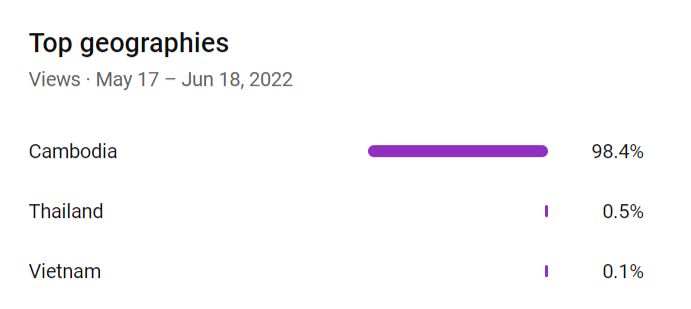
Measuring Success
| Project | Collection method | Frequency | Beneficiaries |
|---|---|---|---|
| Number of benefiting school-age children | Public records | Every three month | 480 |
| Number of schools that received hardware | |||
| Laminator | Direct observation | Once provided | 8 |
| Number of teachers who took workshops | |||
| 2nd workshop | Direct observation | Once conducted | 19 |
| Number of teachers who took regular interviews | |||
| 2nd follow-up visit | Focus groups/interviews | Once conducted | 14 |
| Number of teachers that took school assessment | |||
| 1st school assessment | Focus groups/interviews | Once conducted | 13 |
| Information dissemination via social media | |||
| Number of people who reached the posts | Focus groups/interviews | Every month | 14,204 |
| Number of people who viewed the resources on the ‘Telegram’ group | Focus groups/interviews | Every month | 96 |
| Number of people who viewed the YouTube videos | Focus groups/interviews | Every month | 98,193 |
Next Schedule (July – September 2022)
- Upload the resource package for the book ‘Being Good’.
- Install AccessBoxes to the target schools.
- Create classroom decorations and upload the resource package.
- Create resources for the new book.
- Conduct the 3rd and 4th workshops.
- Conduct follow-up visits for the 3rd workshop.
Information in 2020 and 2021 from the annual meeting by POE (held on June 16 and 17, 2022)
| 2020-2021 | 2021-2022 | Balance | |
|---|---|---|---|
| The number of preschools | |||
| Independent school | 20 | 21 | + 1 |
| Preschool class in a primary school | 161 | 164 | + 3 |
| Community school | 71 | 74 | + 3 |
| Private school | 7 | 7 | 0 |
| The number of classrooms | |||
| Independent school | 91 | 99 | + 8 |
| Preschool class in a primary school | 199 | 204 | + 5 |
| Community school | 74 | 74 | 0 |
| Private school | 17 | 24 | + 7 |
| The number of students | |||
| Independent school | 2,862 (1,404) | 2,801 (1,394) | - 61 (- 10) |
| Preschool class in a primary school | 8,542 (4,247) | 7,939 (3,983) | - 603 (- 264) |
| Community school | 1,797 (996) | 1,597 (829) | - 200 (- 167) |
| Private school | 307 (156) | 604 (308) | + 297 (+152) |
| The number of teachers | |||
| Government school | 184 (173) | 202 (191) | + 18 (+ 18) |
| Community school | 75 (71) | 69 (66) | - 6 (- 5) |
| Private school | 22 (19) | 34 (31) | + 12 (+ 12) |
Problems:
- Lack of classrooms and teachers to have more preschool classes (both independent preschools and preschool classes in primary schools).
- Preschools in primary schools don’t have enough school equipment (they use chairs and desks for primary school students).
- A part of parents who live in rural areas and have preschoolers don’t take their children to school the reason of the distance from their houses and they think their children are too small to study.
- Lack of teachers of preschool classes in primary school.
- Preschool teachers in primary school don’t have training on teaching capacity and techniques.
- Schools that supply meals to students don’t have rooms for eating.
Solutions:
- Promote conducting regular tests for 5-year-olds students.
- DOE and the commune or village have to communicate with the primary schools to set up preschool classes or community schools.
- DOE and independent preschools have to help develop the capacity of community school teachers and primary school teachers who teach in preschool classes in the regular technical meeting.
- Develop the leadership of principals who manage independent preschools.
- Improve teaching qualities and develop community schools so that they can rank up to the governmental school.
Help us keep TukTuk rolling
Your gift pays for workshops, books and the free Rermork Digital Library.