
Quarterly report · Pursat Province, Cambodia
CLIP3 quarterly report: July to September 2025
Final workshop with a Japanese early childhood expert, last school visits and survey results for Pursat preschool teachers, July to September 2025.
- 42,643unique visitors to the Rermork Digital Library
- 10,199subscribers to the R4C YouTube channel
- 8,001followers of the R4C Facebook page
- 6,404members of the teachers’ Facebook group
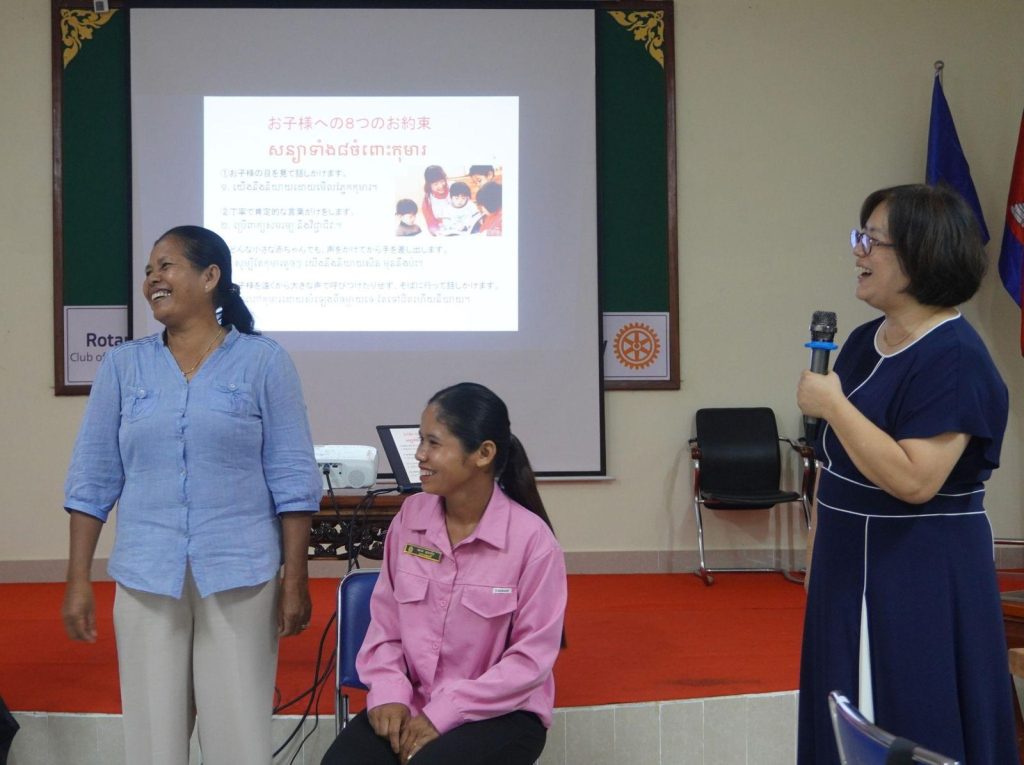
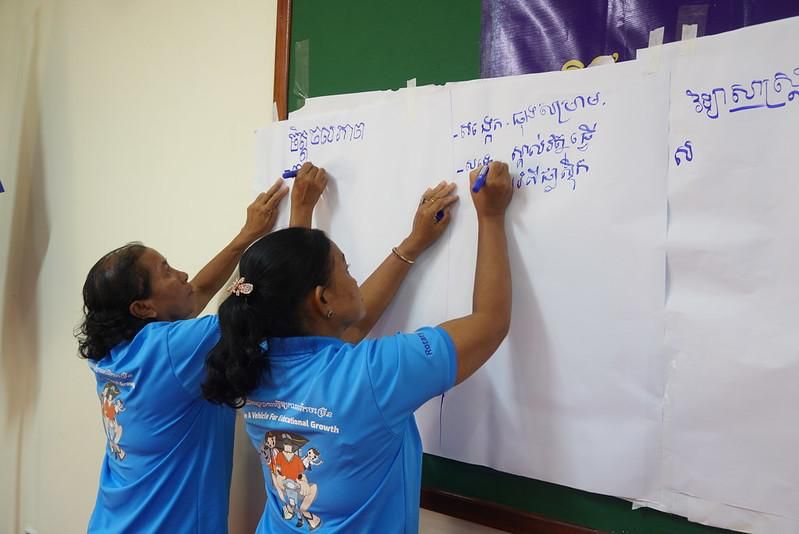
The 7th Workshop Implementation
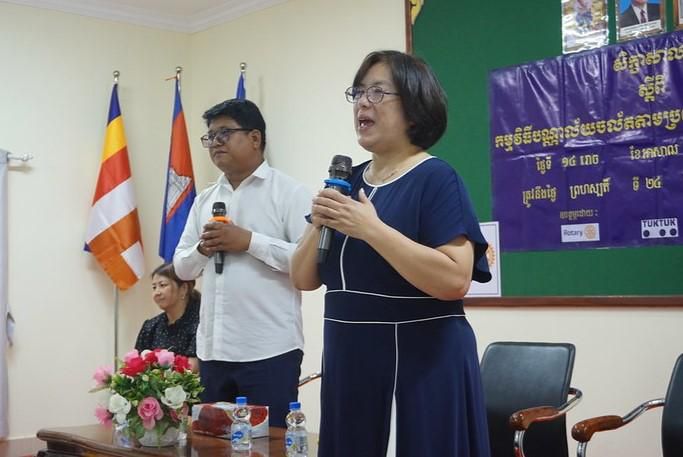
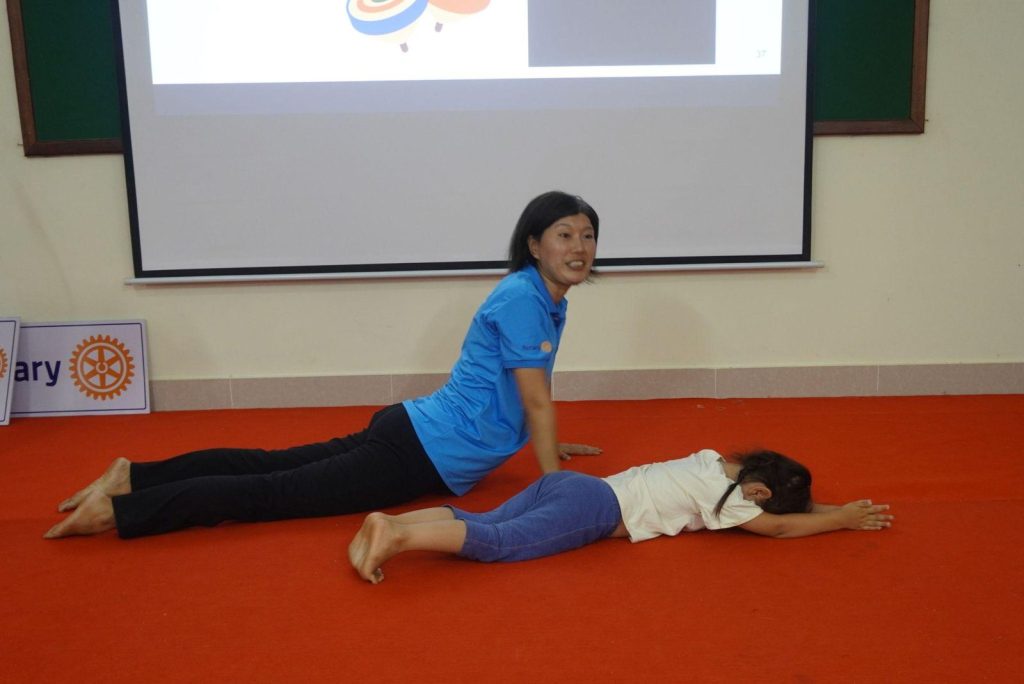
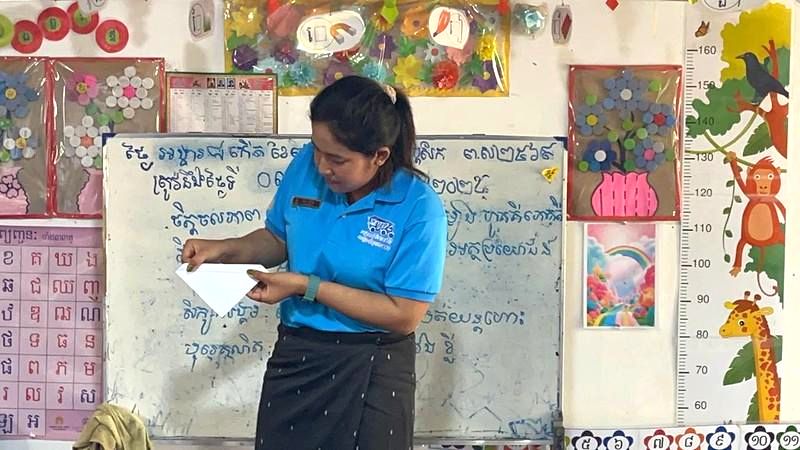
The final workshop of the project featured a special program with a Japanese expert who is active throughout Japan and has recently collaborated with the Cambodian Ministry of Education to promote early childhood education in Cambodia.
She gave a lecture on the development of the brain, mind, and body in children aged 0–5, helping teachers understand how to choose appropriate teaching materials based on developmental stages—an area that had not been fully covered in our previous training. Her clear explanations helped many teachers who had not yet reviewed this part of the supplementary book, and several participants commented that they learned practical insights they could immediately apply in their classrooms.
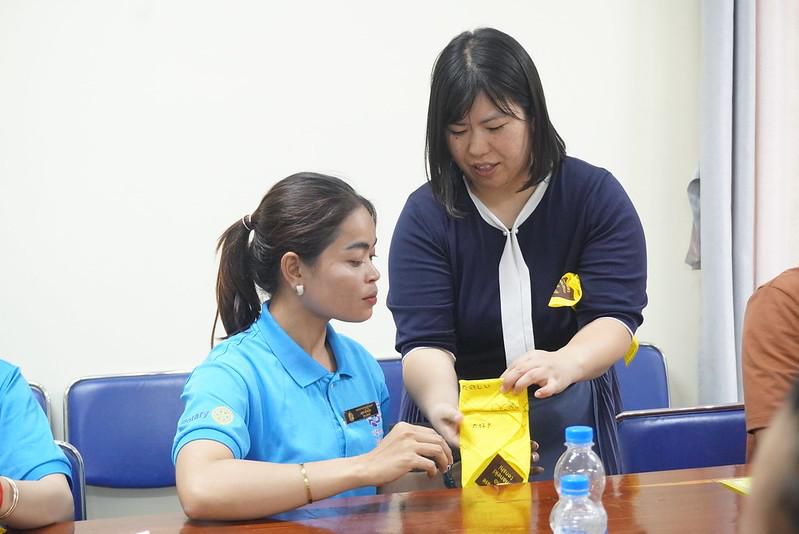
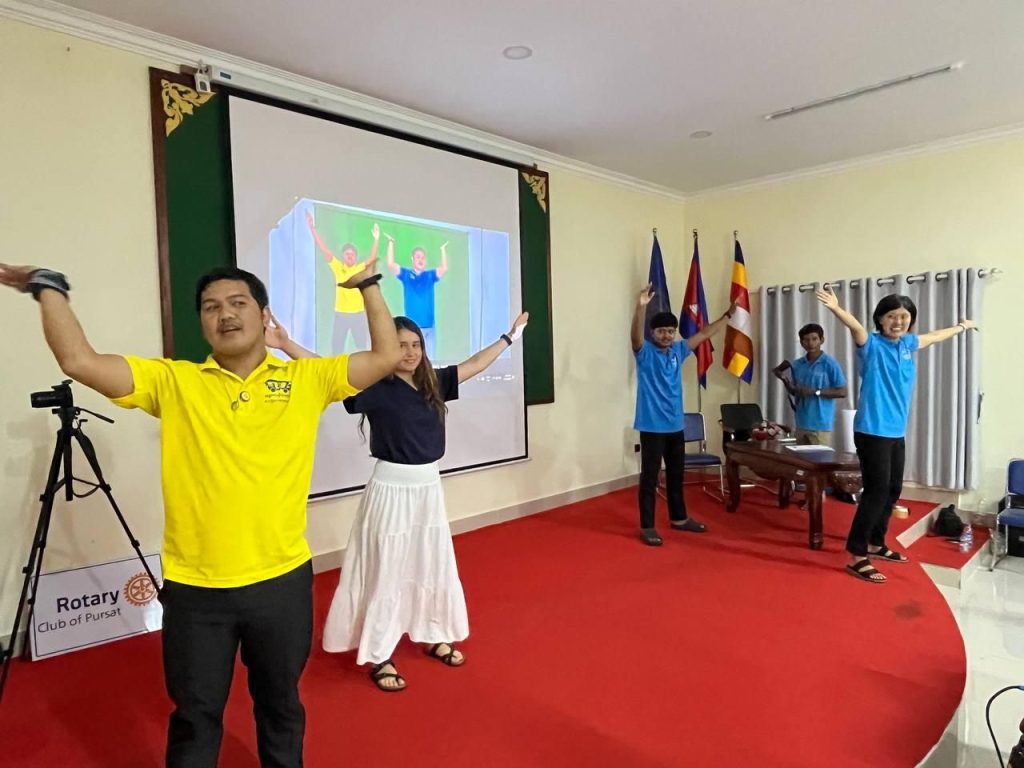
Building on her session, the following program shared activity ideas for stimulating the brainstem, which plays an important role in physical development. Teachers participated in music-based activities that involved full-body movement—such as mimicking animals or performing dynamic dances—and discovered how these exercises effectively support children’s motor skills.
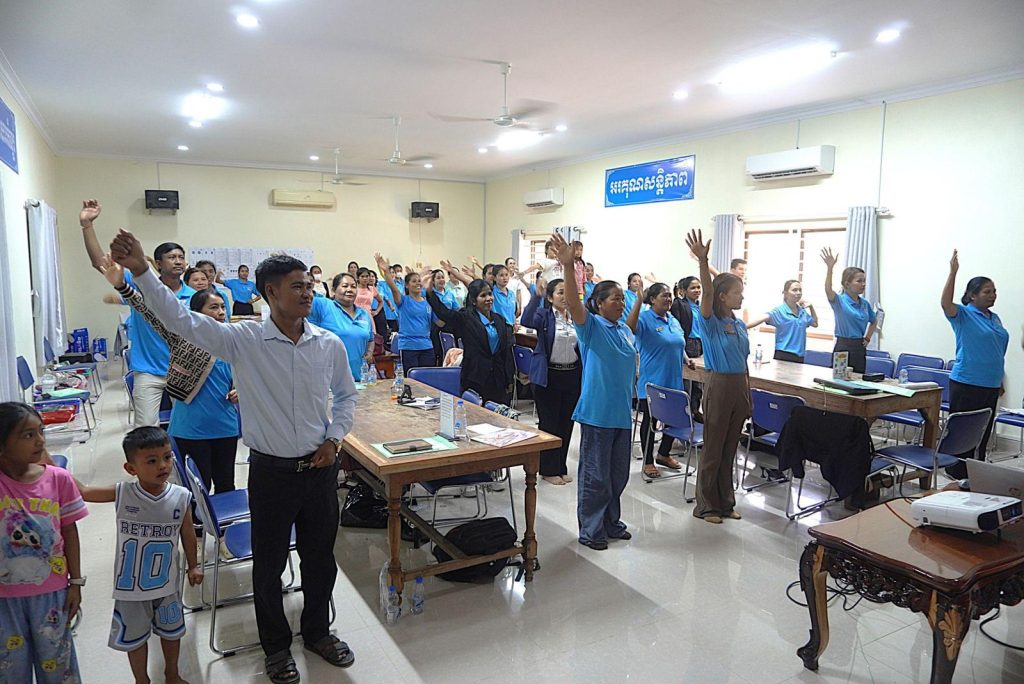
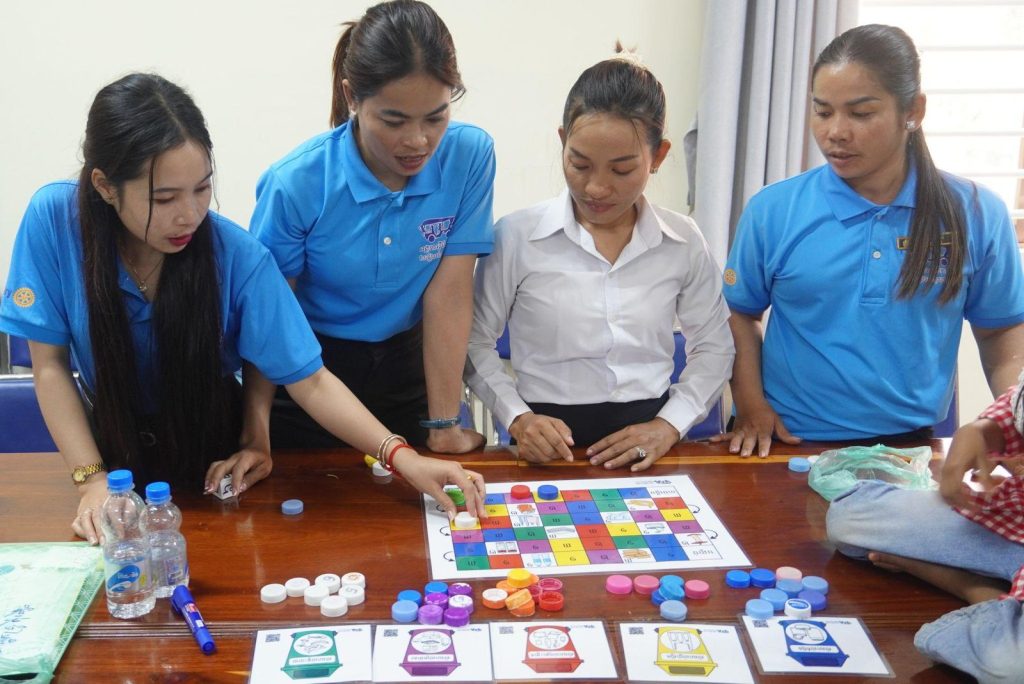
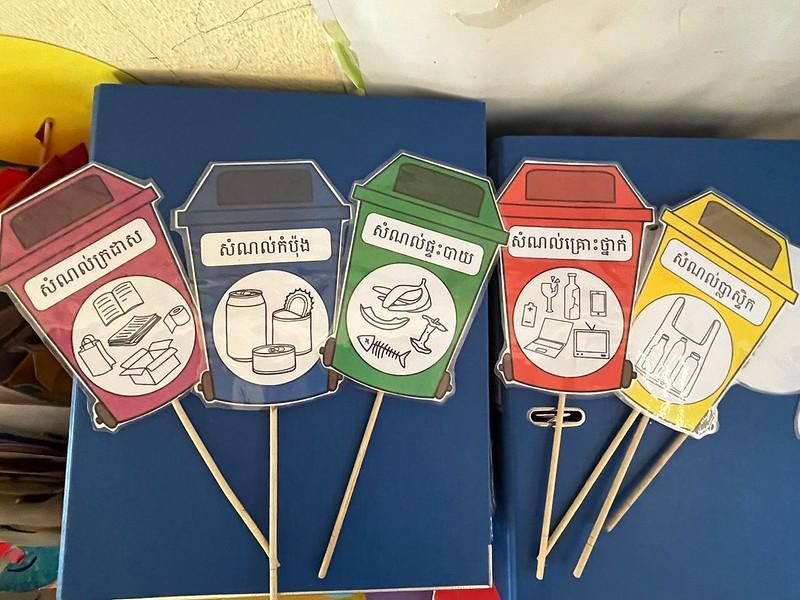
The workshop also introduced the 12th original picture book, “I’m Not Just Rubbish,” which focuses on recycling. Its content is closely linked to classroom activities using everyday materials for games and crafts. Some teachers even took extra time to try out and recreate ideas from other groups, producing more crafts than usual.
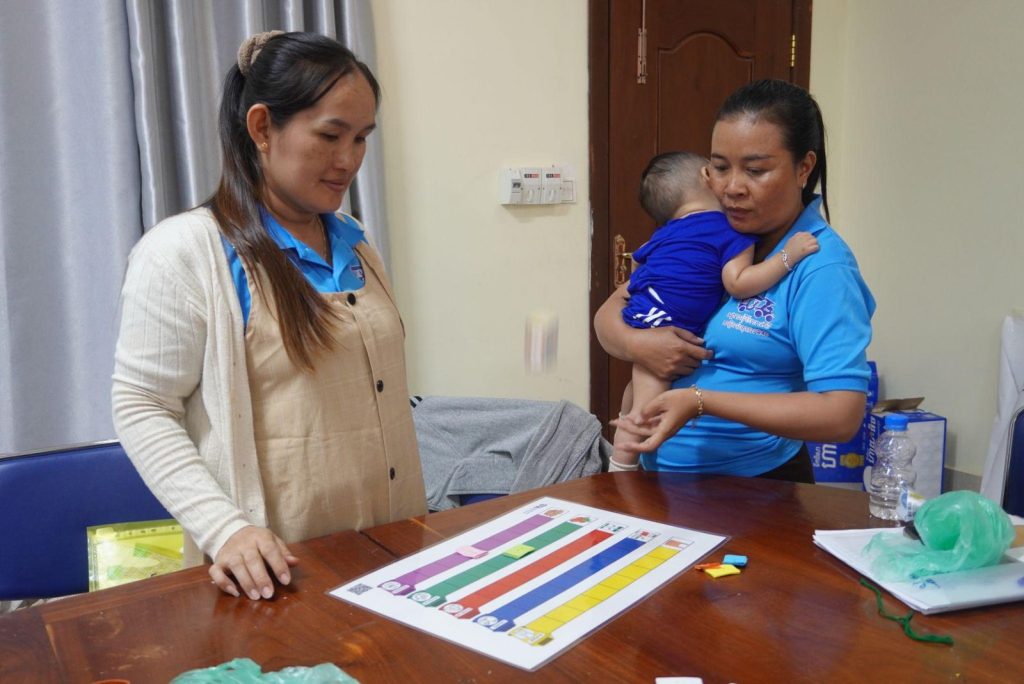
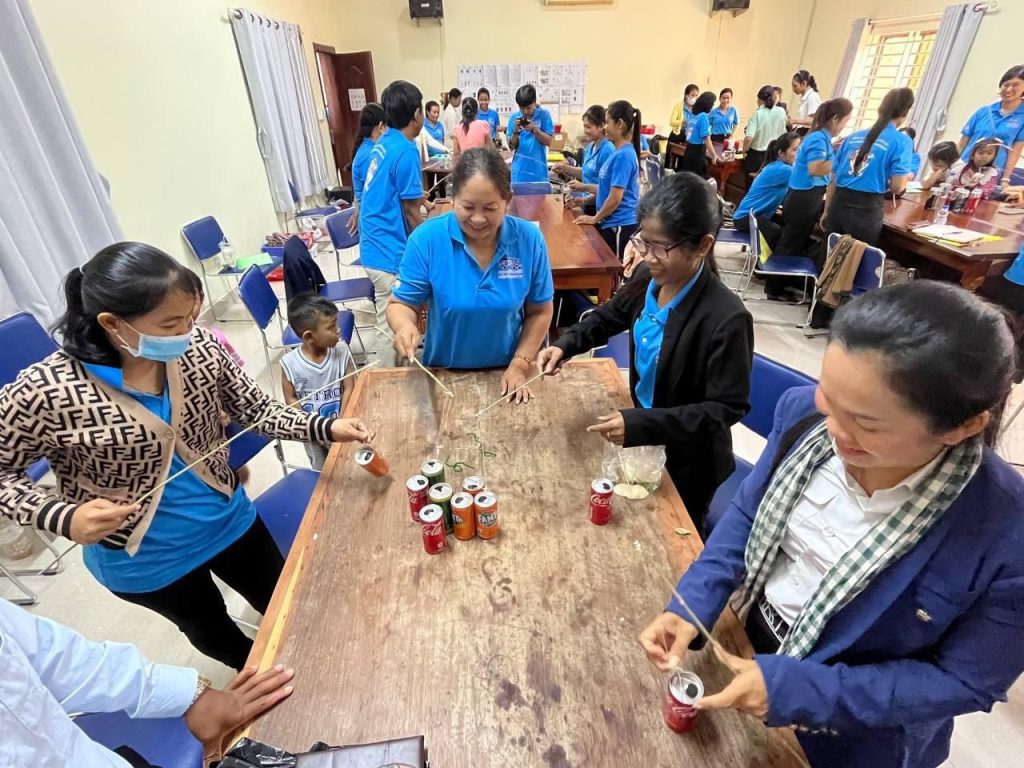
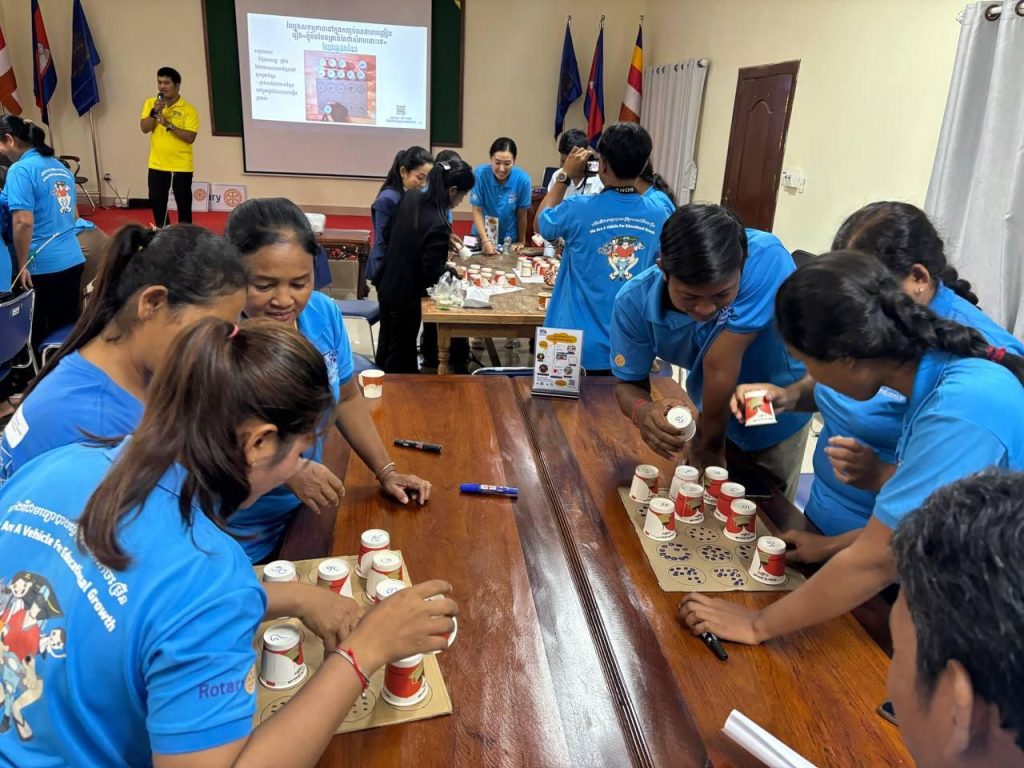
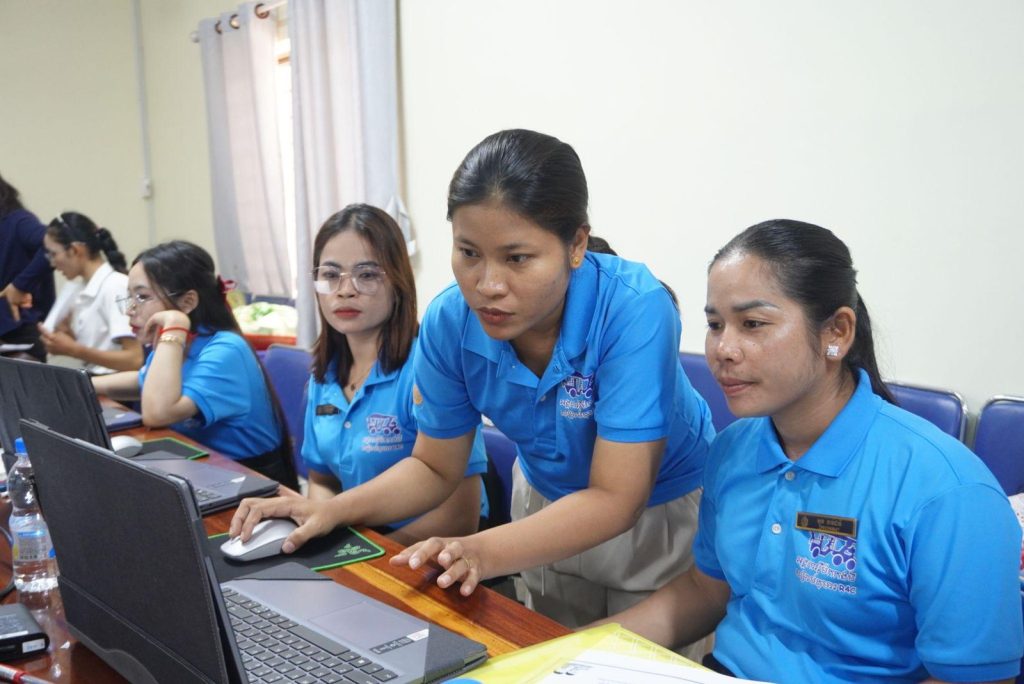
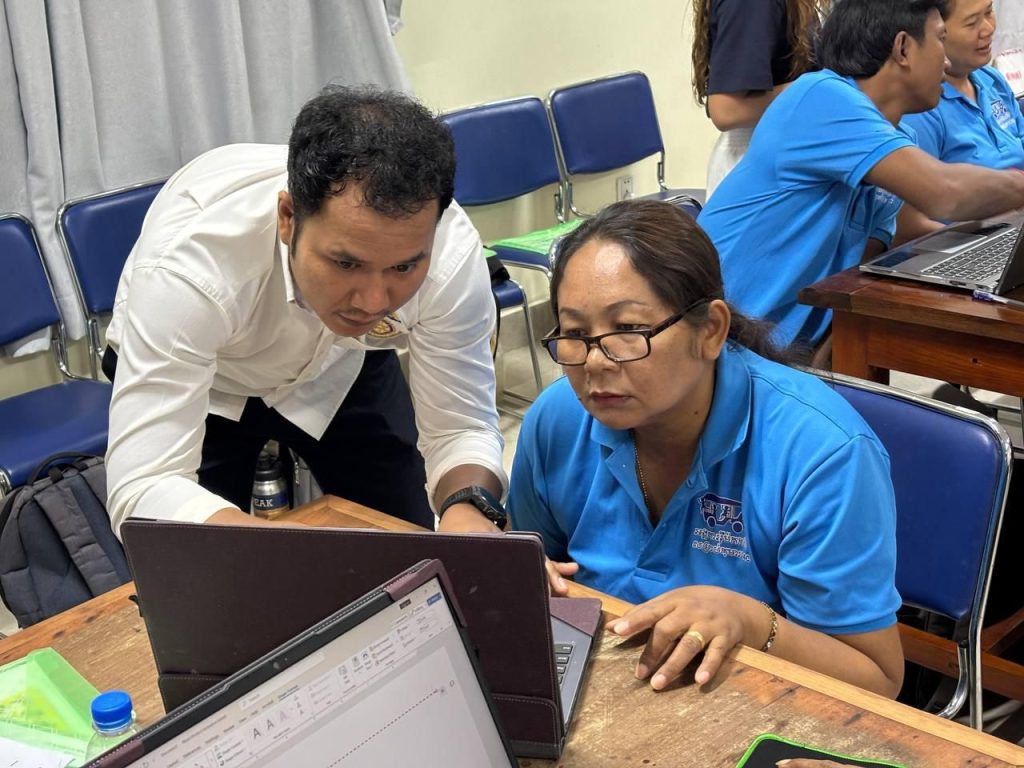
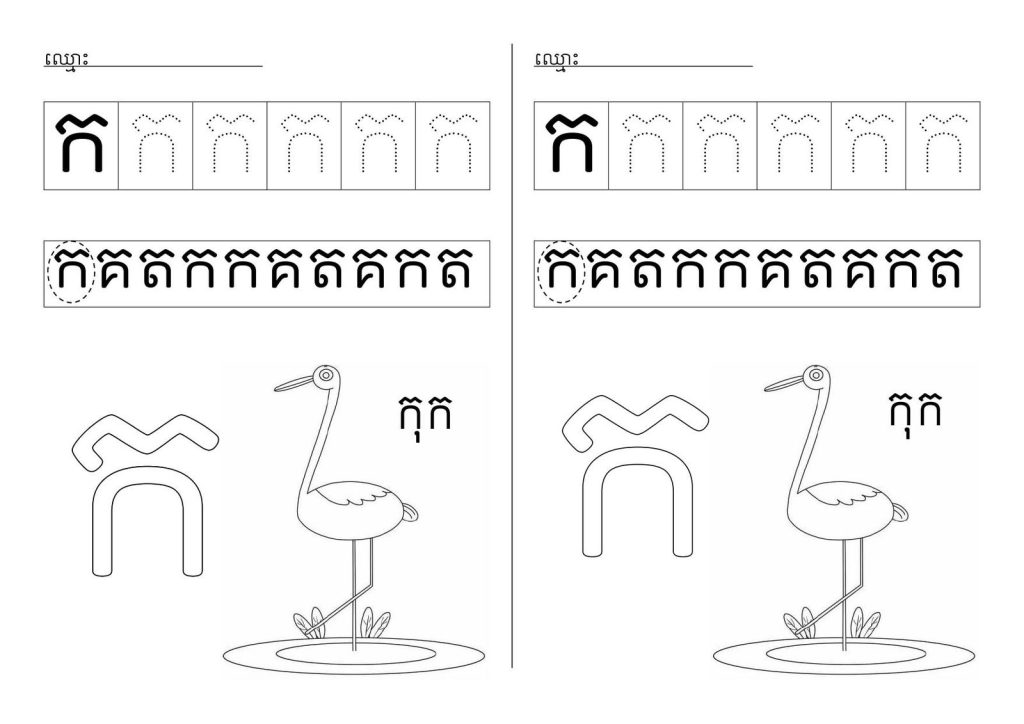
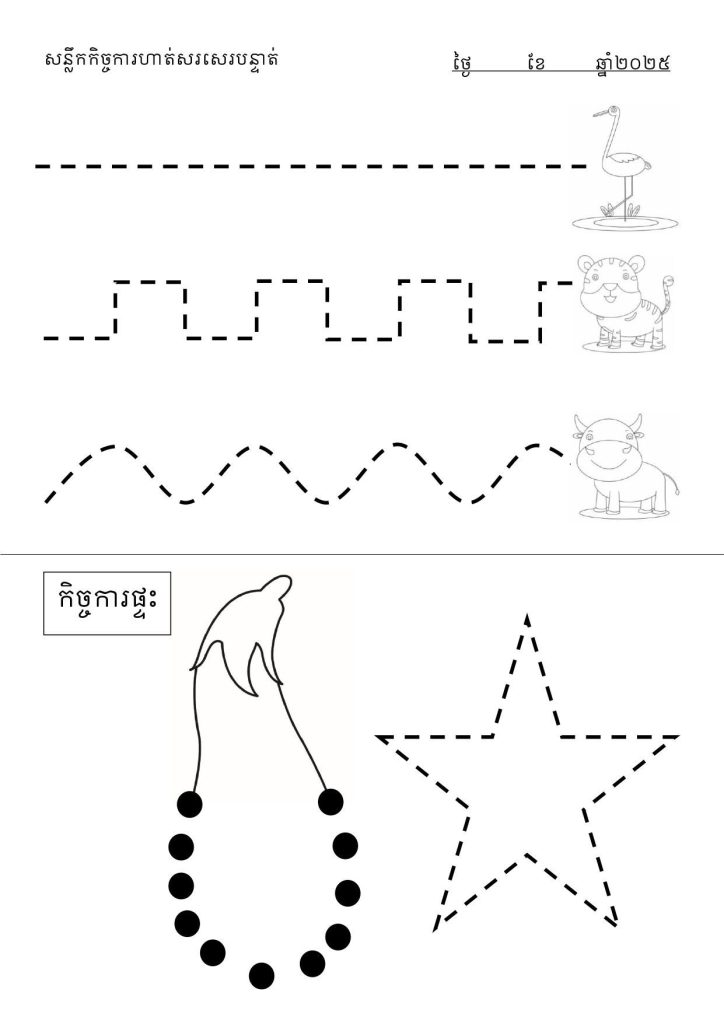
Finally, the computer-based worksheet-making session concluded with a lesson on creating tracing worksheets that help children practice holding pencils. Through this fourth and final session, teachers reviewed and combined the skills learned in previous workshops, enabling them to design their own original materials independently in the future.
Follow-up Visit Findings
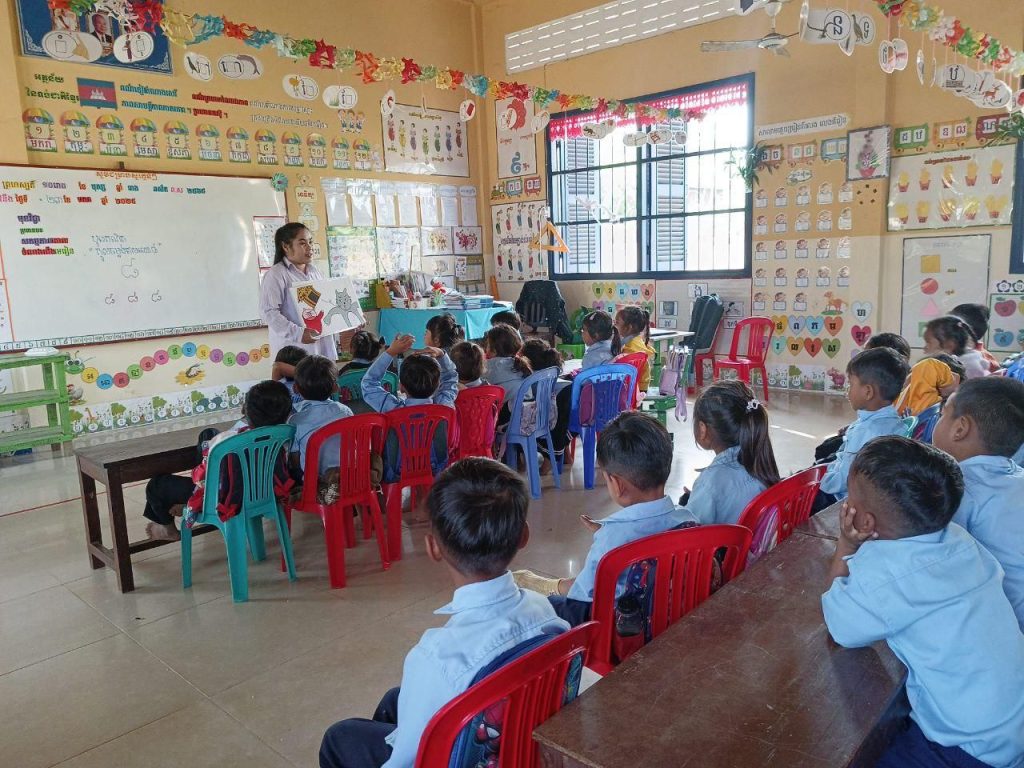
This visit marked the final round of school visits under the project. In every classroom we observed, teachers had increased their teaching materials since the previous visit, and many had already created and displayed crafts introduced in the 7th workshop. Their motivation and continued effort for improvement were clearly visible. During our visits, teachers often conducted activities such as picture book storytelling, worksheets, and educational games. We also saw hand-play songs introduced in earlier workshops being used to capture children’s attention. Some teachers had begun creating their own worksheets or creatively adapting R4C materials to fit their own teaching styles, rather than simply following our examples. (See the pre-survey results)
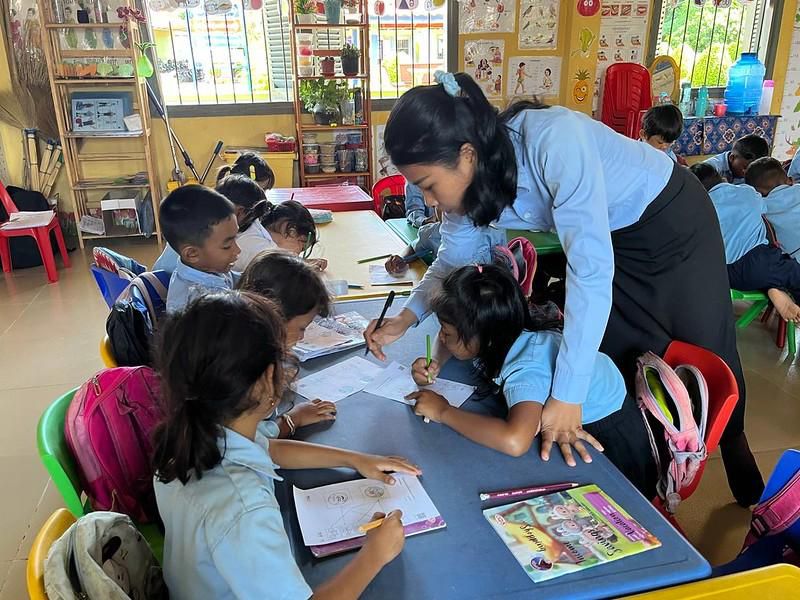
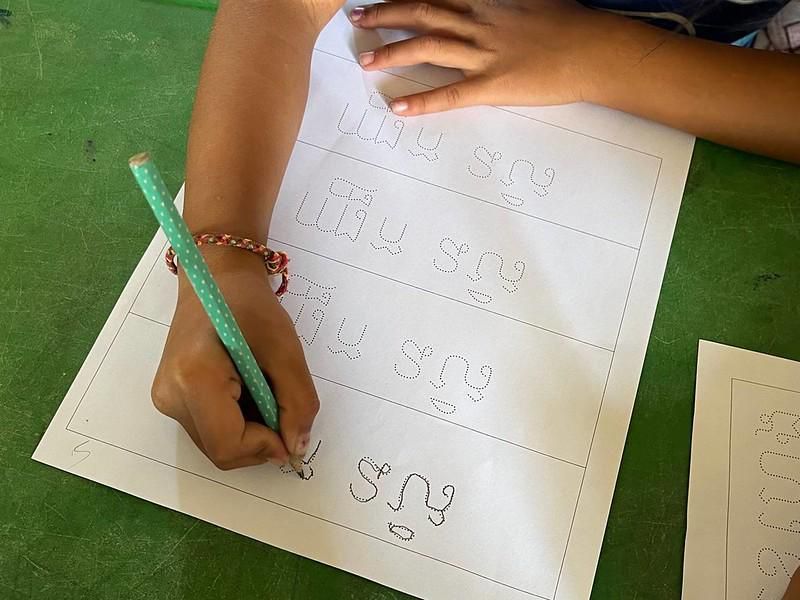
Over the past two years, we have observed teachers’ lessons and witnessed their steady progress and enthusiasm. The changes have been remarkable—classroom environments have become more engaging, and individual teachers have grown into skilled educators who now serve as role models for others.
One teacher, for example, was invited by a nearby primary school’s preschool teacher to demonstrate her class. After watching her Kamishibai storytelling, the visiting teacher was inspired to try it herself and began using picture books printed from the R4C website. She also photographs classroom decorations and regularly consults with the project teacher for ideas.
These examples show that our participating teachers are not only applying what they have learned but are also sharing it beyond the project, taking leadership roles in improving early childhood education within their communities.
The Final Survey
At the start and after the first year of the project, teachers were surveyed about how they used R4C materials, their impressions, and observed changes after participating. This final survey focused on the second year and compared results to previous data, allowing us to assess the overall impact of the project over two years.
Below is a summary of key findings for each area of the survey.
Storytelling Materials (Picture Books & Kamishibai)
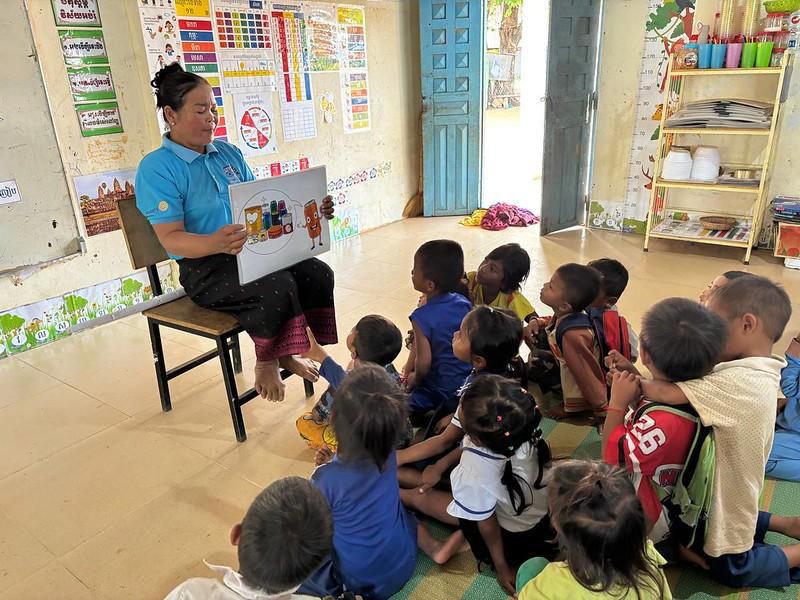
Both the frequency of storytelling sessions and the number of times children could freely look at books increased compared to previous surveys. As teachers interacted with books more often, many reported that their storytelling skills had improved.
While some teachers had felt shy about reading aloud a year ago, several now said they had gained confidence and could perform expressively without embarrassment.
Teachers also observed changes in children, such as better concentration, remembering and retelling stories at home, and handling books more carefully. Many also noted that children became more interested in reading and listening to stories.
Songs
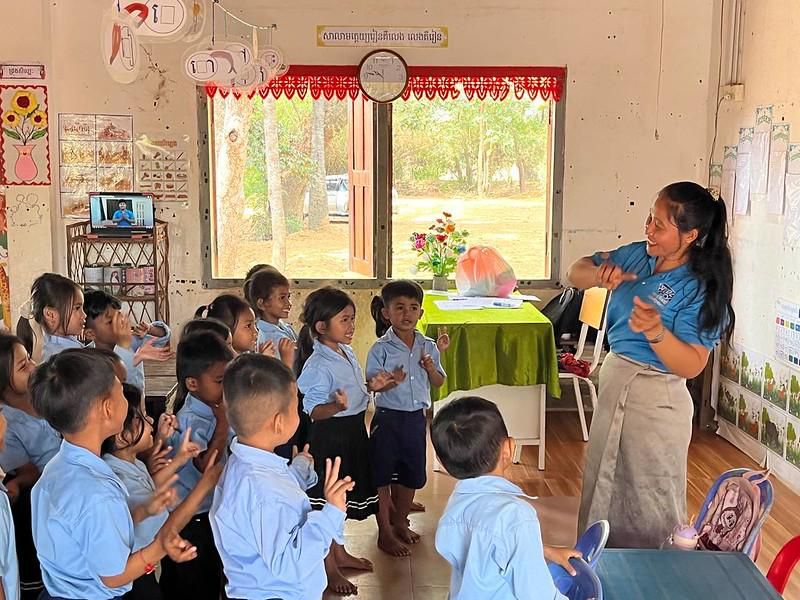
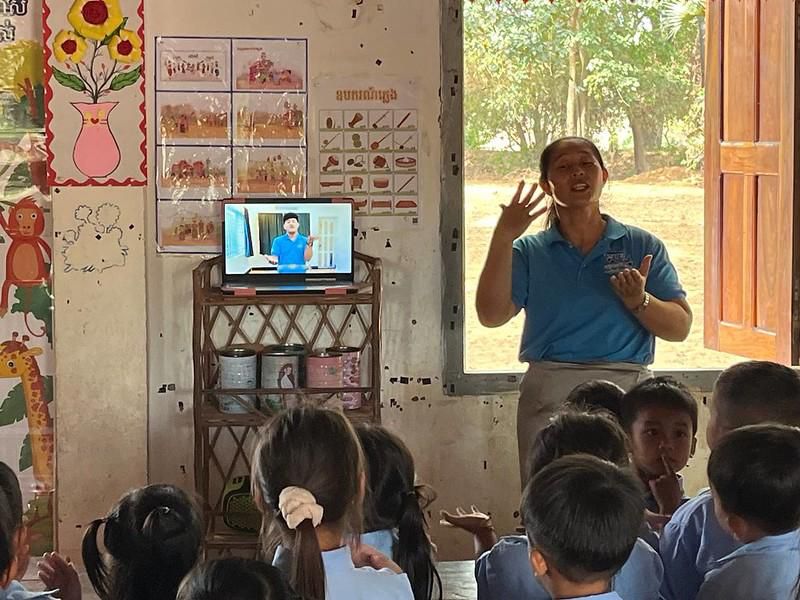
The use of songs increased, with many teachers using them 4–6 times per week. The educational value of the lyrics and the catchy melodies continued to be well-received. Teachers said that learning new songs and actions at each workshop expanded their ideas and teaching variety.
As with storytelling, several teachers mentioned that they had become more confident singing in front of children.
Worksheets
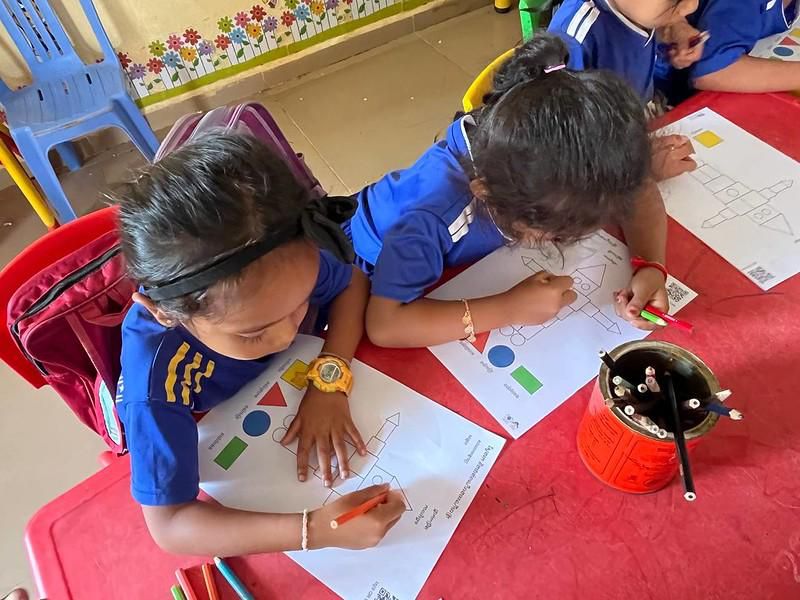
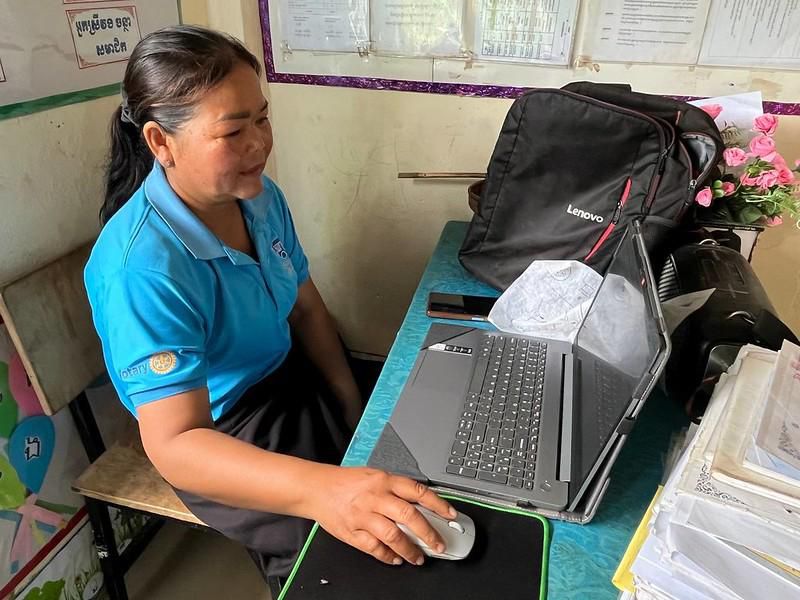
Since the second-year workshops included computer training for making worksheets, some teachers reported that they had begun creating their own materials.
The QR codes attached to worksheets also helped teachers understand how to use them more effectively in class.
Teachers shared that children were more engaged because the worksheets were colorful, easy to understand, and fun to complete.
Activity and Board Games
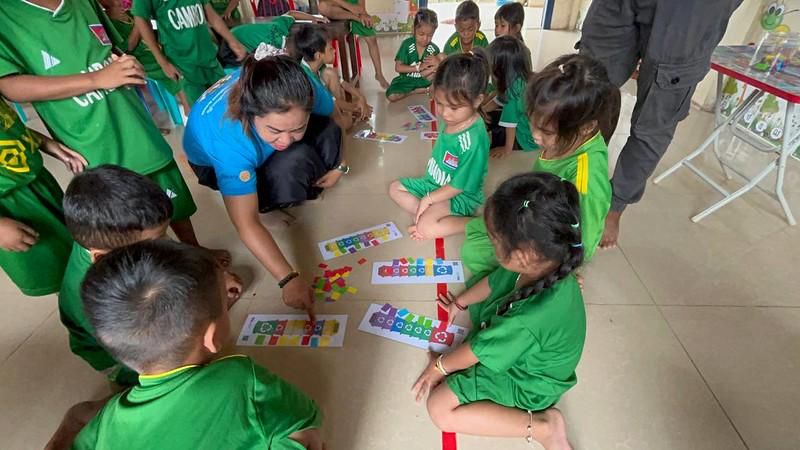
Most teachers used R4C games, though some faced challenges such as managing large groups or lacking enough printed materials due to budget limits.
However, teachers and children had become more familiar with the rules, allowing smoother lessons. Many teachers also said the games helped expand lesson ideas and observed improvements in children’s creativity and thinking skills.
Crafting
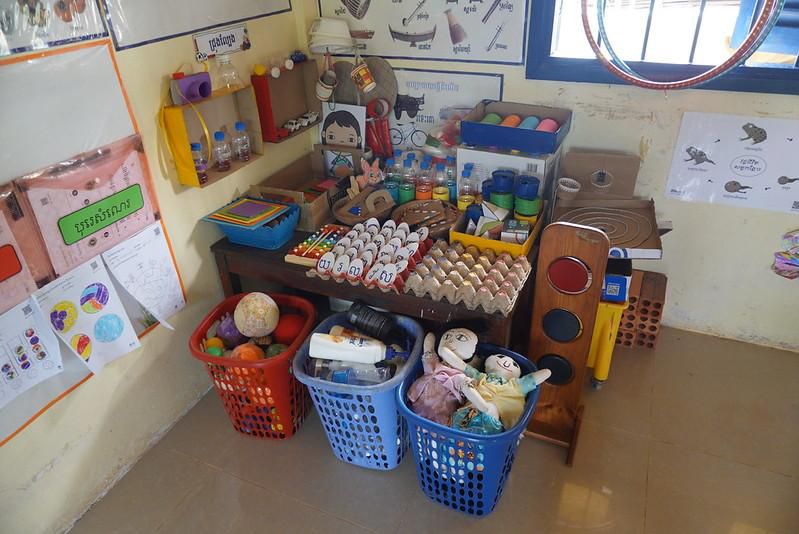
An interesting finding was that several teachers now collect recyclable or unused materials for crafts—something not seen in earlier surveys. This shift shows how teachers embraced the message that “materials don’t have to cost money.”
Exposure to new craft ideas through workshops and the website helped teachers enhance their craft-making skills and broaden their teaching methods.
Classroom Decorative Teaching Materials
There was little change in responses from the previous survey, but observation results show steady improvement. After receiving decoration sets and guidance early in the project, teachers continued improving their classrooms on their own.
By the second year, all participating teachers were creating their own decorations and teaching aids, resulting in much more engaging classroom environments than before the project began.
Computer Use
While the overall frequency of computer use did not change greatly, its quality did. After learning basic operations in the first year, teachers applied these skills in the second year’s worksheet-making training. Several now design their own worksheets for class and are expected to use computers more frequently for lesson preparation and school documentation, further developing their skills.
Rermork Digital Library
Most teachers accessed the website one to three times per week, but the number of frequent users (seven times or more) increased.
The most downloaded and viewed materials were songs, and the site was most used in the subject area of “Social Relationships & Expression.” However, worksheets became the most used material in actual classes, while the use of activity games decreased and the use of illustrations increased.
Lesson Plan
After two years of workshops, teachers became more comfortable designing lessons using R4C materials.
Rather than focusing on technical aspects of writing plans, many teachers highlighted that their range of lesson ideas expanded, and they could adapt ideas from other teachers. This suggests growing creativity and independence in lesson planning.
Next Schedule (October - December 2025)
- Complete the 13th storybook and the resource package
- The project closing meeting (October)
- Conclude the project (December 31)
Help us keep TukTuk rolling
Your gift pays for workshops, books and the free Rermork Digital Library.
Achievement in Social Media Service and ‘Rermork Digital Library’
R4C Facebook
Public Facebook Group for Preschool Teachers
Telegram Channel
YouTube
Rermork Digital Library